Notes on Fermentation and Memory in Northern Honshu
Centuries-old cedar vats, coastal snowstorms, and how microbes preserve communal identity in Akita.
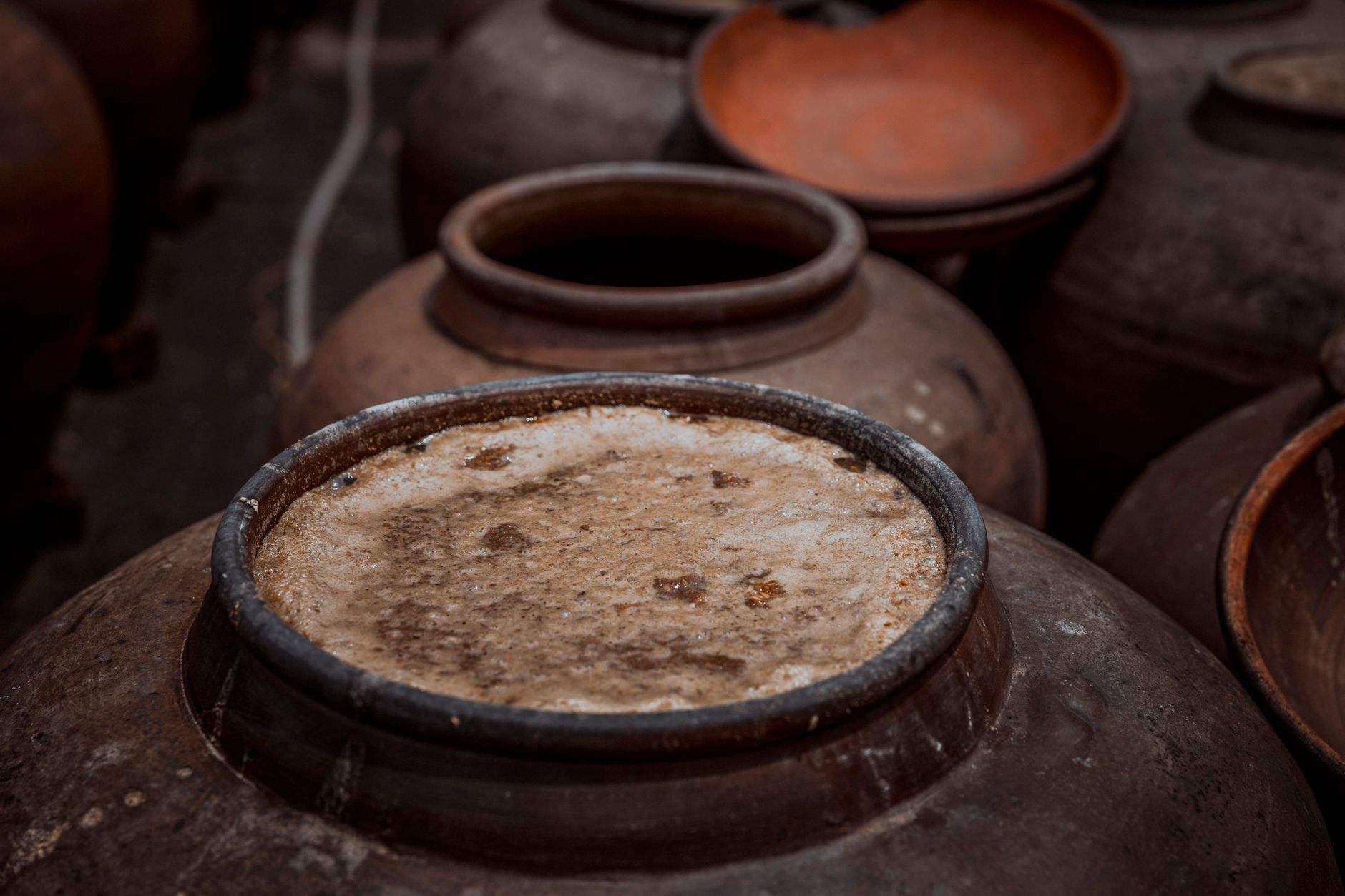
In the snowbound foothills of Akita Prefecture, winter is not merely a season; it is an architectural condition. Snow accumulates along tiled temple eves in cushions three feet deep, deadening footfalls and turning village lanes into pristine ravines.
Inside the Takahashi family kura (storehouse), the air carries a sweet, dense fragrance: toasted soybeans, salted malt, and centuries of active koji mould thriving in the porous grains of Yoshino cedar vats.
The Slow Clock of Koji
While urban gastronomy increasingly chases immediacy, traditional Japanese preservation techniques operate on astronomical time scales. The koji fungus (Aspergillus oryzae) transforms steamed grains into complex amino acids over months of sub-zero dormancy followed by gentle spring warming.
"You cannot rush the cedar," explains eighth-generation master brewer Kenji Takahashi. "The barrels have soaked up the bacteria of our great-grandfathers. We do not manufacture the miso; we merely keep the room at peace."
"True taste is an archive of weather patterns from three summers ago."
— Master Brewer Kenji Takahashi, Akita
Foraged Sanctuaries of the Mountain
In adjacent dining halls, meals reflect whatever the forest floor yielded before the heavy freezes: pickled bracken shoots, salted mountain yams, and broth simmered from roasted sea bream heads. The cuisine possesses an austere purity that challenges modern palates accustomed to excessive sweetness.
111111 works with local culinary historians to organize intimate residences with such craftsmen for travelers who wish to understand the deep agrarian roots of the Tohoku region.